Project Overview
I have always been interested in automotive engineering and wanted to learn more about how the different mechanical parts inside an engine work together. I wanted a project that would let me dig into that, so I decided to model a full V12 engine in SOLIDWORKS. This project allowed me to understand how an engine is designed while also expanding and pushing my CAD skills further than most of my coursework projects have.
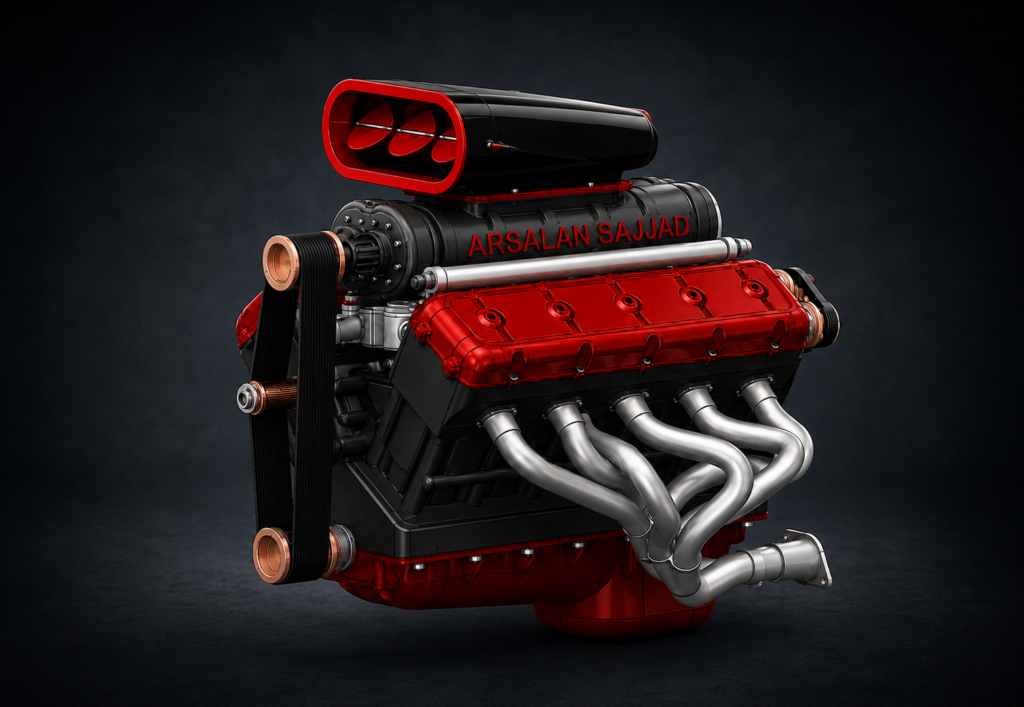
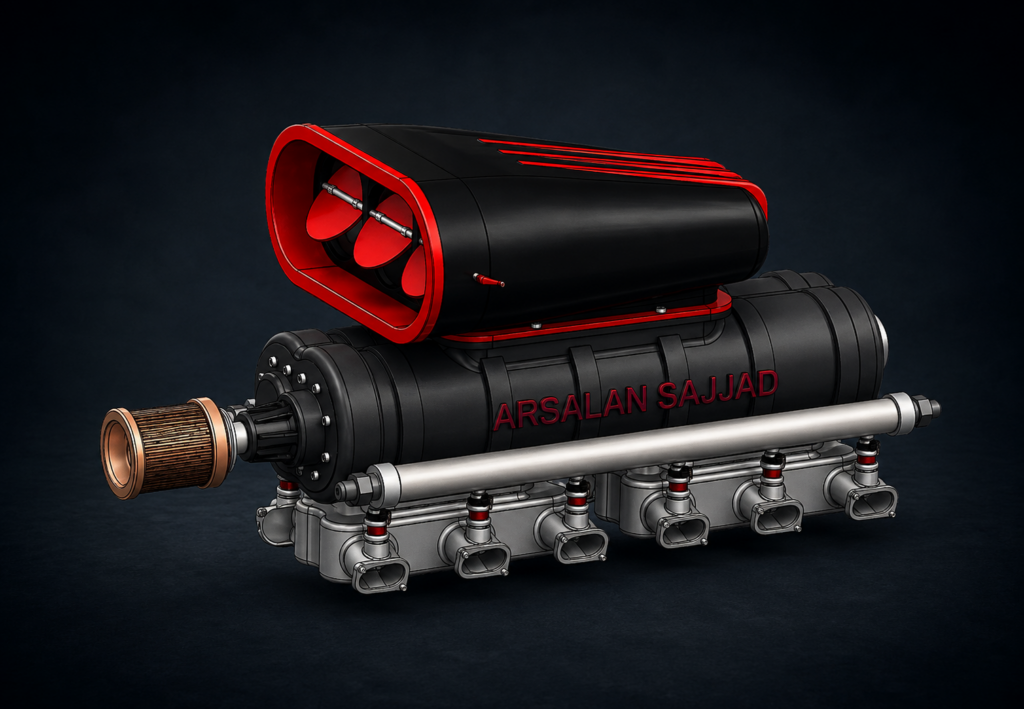
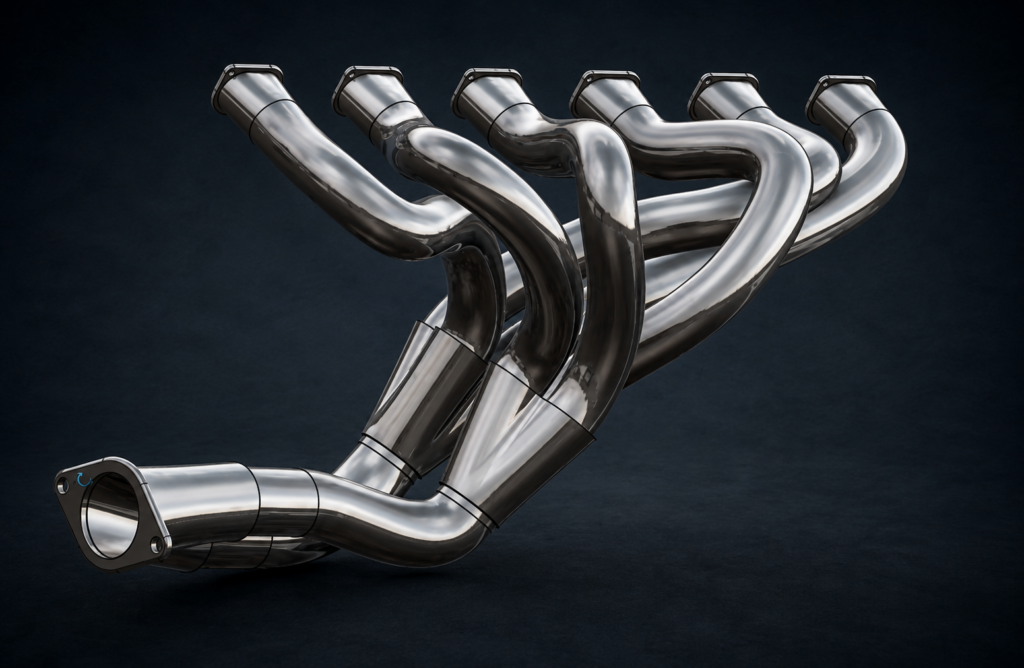
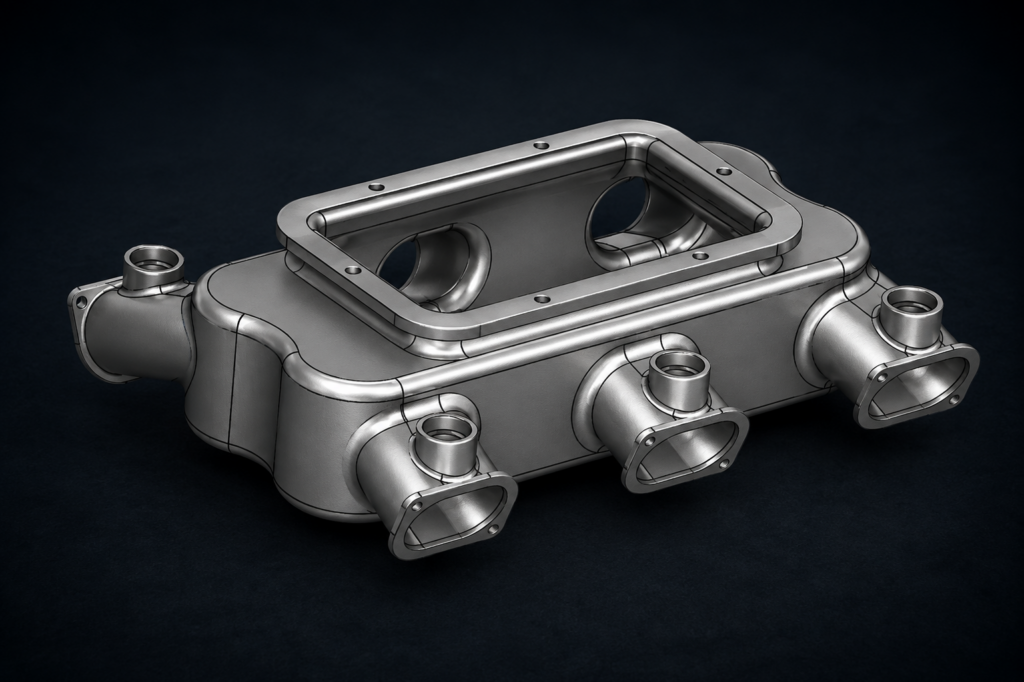
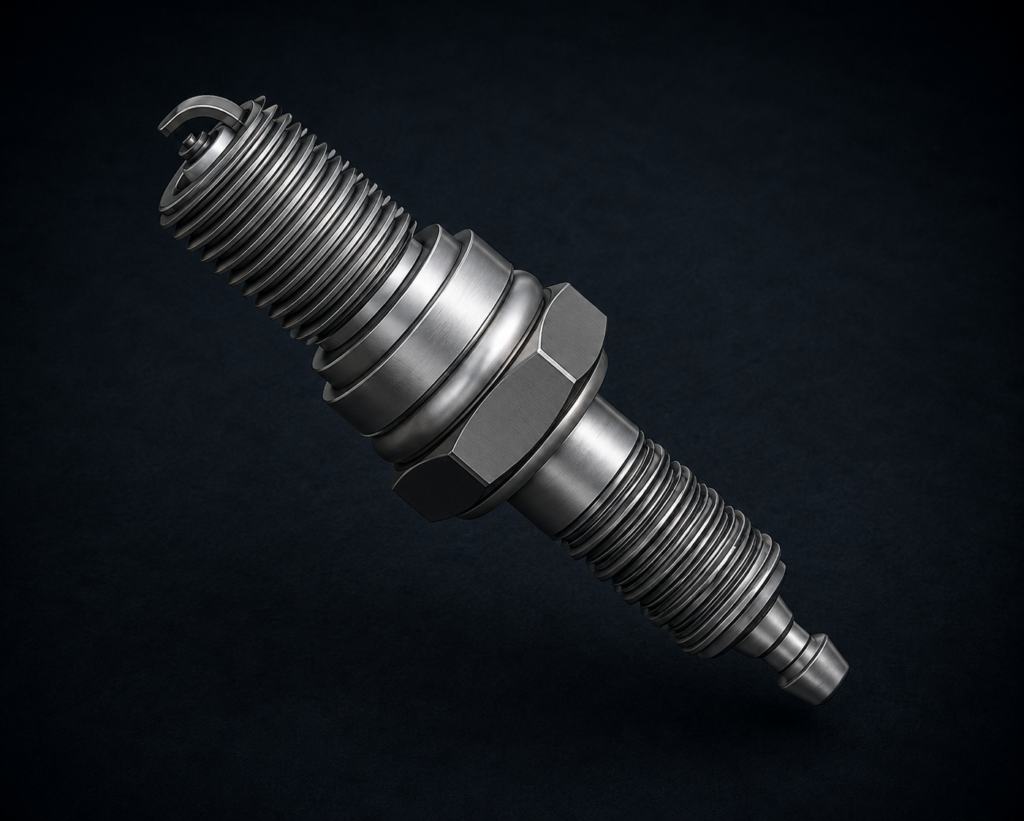
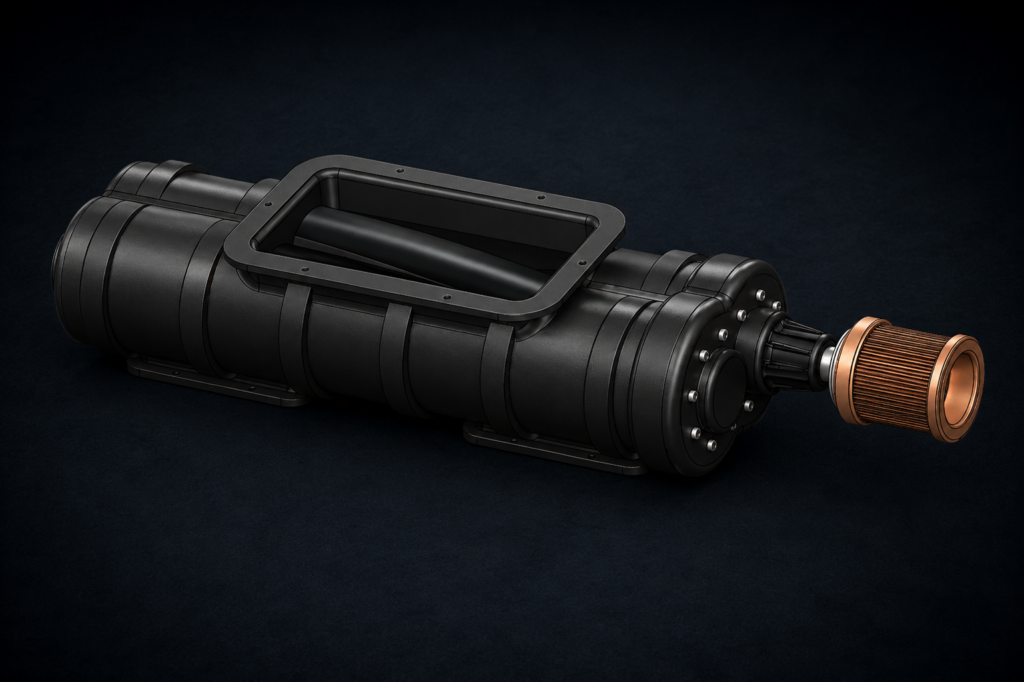
I used a reference guide to recreate the engine and modeled every component myself in SOLIDWORKS, working from the main engine structure out through the internal parts and supporting systems. In total I modeled the cylinder block, oil pan, crankshaft, pistons, connecting rods, gudgeon pins, piston rings, oil rings, crankshaft bearings, belt pulleys, belt guides, camshafts, cylinder heads, head covers, intake and exhaust valves, valve locks, tappets, valve springs, valve retainers, valve seats, spark plugs, exhaust manifolds, air inlet, throttle, injectors, intake manifolds, and the supercharger/blower components.
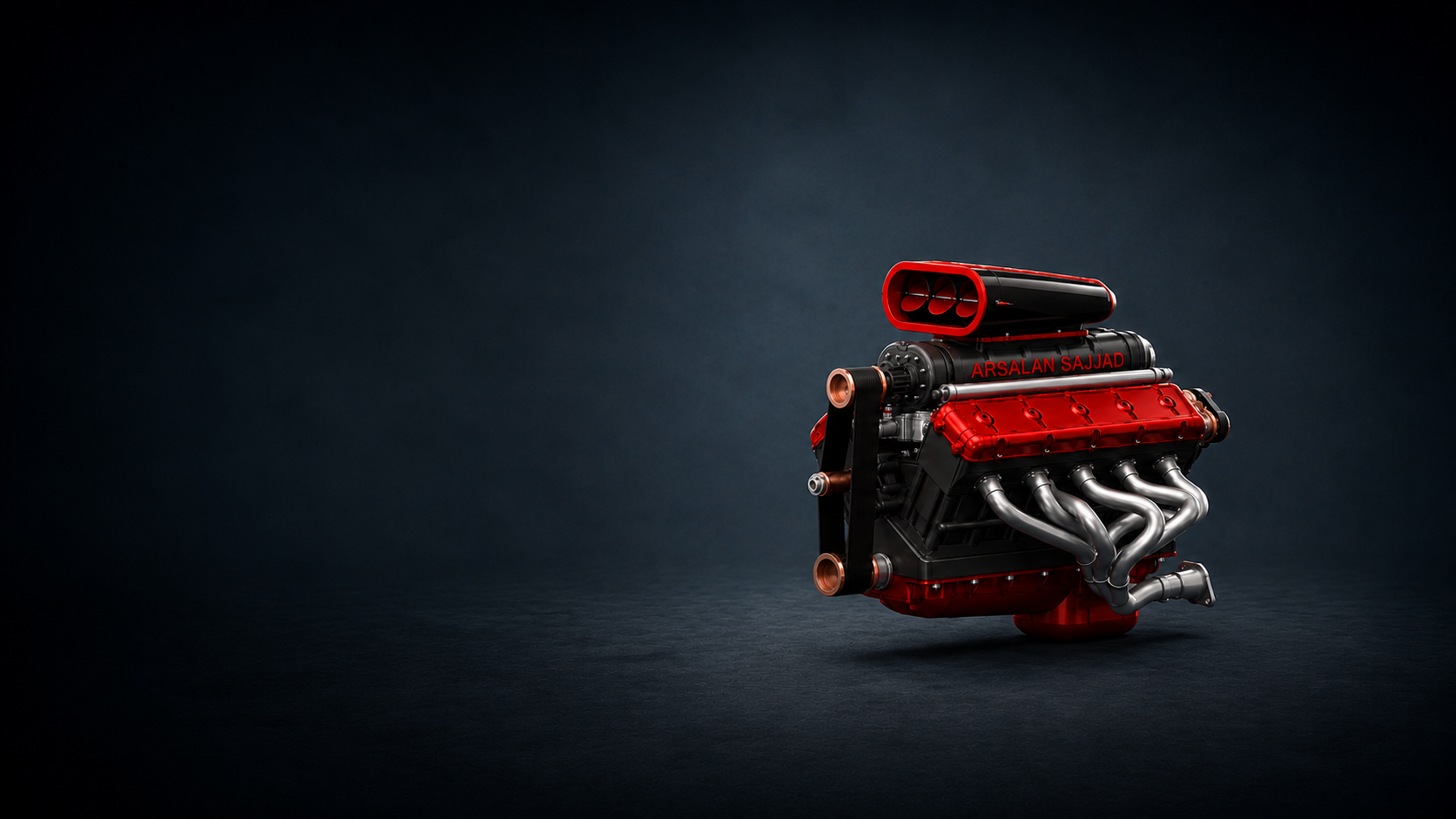
After modeling the individual parts, I assembled them together in SOLIDWORKS to create the complete V12 engine. This allowed me to see how the different components fit together and better understand the relationship between the moving parts of an engine.
The Process
I started with the cylinder block, which became the foundation for the rest of the engine. From there, I worked through the engine piece by piece, using a reference guide to recreate the shape and size of each component. I built the parts directly in SOLIDWORKS using sketches, extrusions, revolves, cuts, fillets, chamfers, patterns, and reference geometry.
Once the block was taking shape, I moved on to the main moving components, including the crankshaft, pistons, connecting rods, gudgeon pins, piston rings, and bearings. I modeled each part separately before bringing them together into assemblies. Seeing the piston, connecting rod, and crankshaft fit together for the first time was when the project really started to feel like an actual engine.
I then worked on the belt and pulley system, followed by the cylinder heads and valve train, including the camshafts, valves, springs, retainers, locks, and tappets. I used patterns and assembly features for the repeated components to keep everything consistent and properly aligned.
The final stages included the intake, exhaust, and supercharger systems, including the spark plugs, manifolds, injectors, throttle, supercharger rotors, and blower components. These were some of the more challenging parts because of their complex shapes and the number of components that had to fit together.
As the assembly grew, I constantly went back and forth between the part files and the assembly. If something did not fit or caused interference, I would return to the part, adjust the geometry or dimensions, and check it again in the assembly. This process helped me understand how changes to one part can affect the entire engine and taught me to design with the final assembly in mind.
Results
What started as individual parts slowly turned into a complete V12 engine assembly. Seeing the crankshaft, pistons, connecting rods, valve train, timing system, intake, exhaust, and supercharger all come together was one of the most rewarding parts of the project.
The project gave me a lot of hands-on experience with SOLIDWORKS part modeling, assemblies, mates, complex geometry, patterns, and fitting multiple components together. More importantly, it helped me understand how the different parts of an engine work together rather than looking at each component on its own.
One of the biggest things I learned was that CAD is not just about making a part look right. A part needs to fit, align, and work with everything around it. Having to constantly go back, make changes, and see those changes come together in the final assembly made the project a great learning experience.
Most importantly, this project allowed me to combine my interest in automotive engineering and CAD while pushing myself to build something much more complex than a typical individual part.